
Create the Society You Wish To See
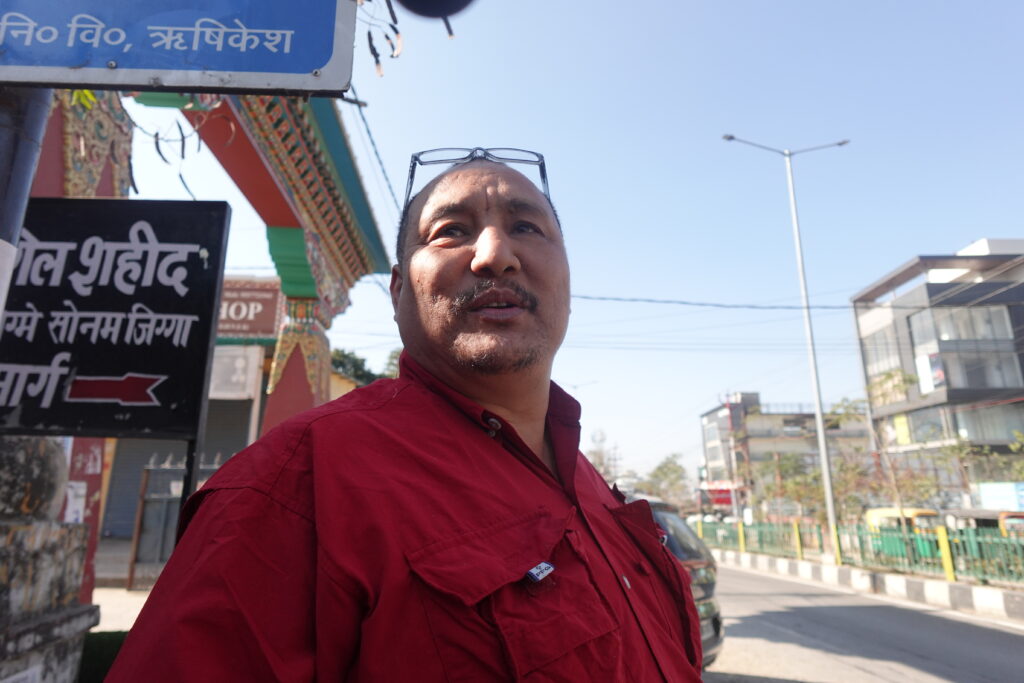
Today we visited C.E.D. Society, which is run by the monk Lama Tenzin. We met a group of kids who had all been rescued by Lama Tenzin at some point in their lives, and who were brought to live and get an education here in Dehradun. Lama Tenzin focuses specifically on rescuing and educating young girls, often from rural villages in the Himalayas. A big part of the program is giving the girls an excellent education and teaching them about womens’ health. The caste system has left damaging prejudices on not just the poor population in India, but specifically on women and those with disabilities. Girls, especially those in rural areas, are not looked at for anything other than a dowry and what can be gained from their arranged marriage, and therefore it is not considered worth it to educate them. They are not valued members of the family in the way that sons are. The majority of the kids we met at C.E.D. Society were girls, and some of them had been abandoned by fathers who wished for sons. Lama Tenzin explained that mothers who birth only daughters and no sons are shunned and seen as bad omens. We learned that those with disabilities are also seen as bad omens.

In the Hindu tradition, reincarnation is seen as a reflection of actions from past lives. Those born into low castes or with disabilities are taught to believe that they deserve their circumstances because of sins from past lives. This belief often keeps them from trying to improve their circumstances. I was inspired to hear Lama Tenzin talk about the changes he’d seen in the girls since they’d arrived. He described how they now believed in themselves and had confidence, whereas when they’d lived in the villages, they were taught to think they were worthless and only valuable as wives.
Lama Tenzin uses his power as a monk to change narratives and to reverse stigmas. There is stigma around being near those with disabilities, but it is also known that it is bad to not listen to a monk, so Lama Tenzin has power to shift these prejudices. Using this power, he convinced people to help him rescue girls in wheelchairs who needed help trekking out of the Himalayas, even though there is stigma around touching the disabled.

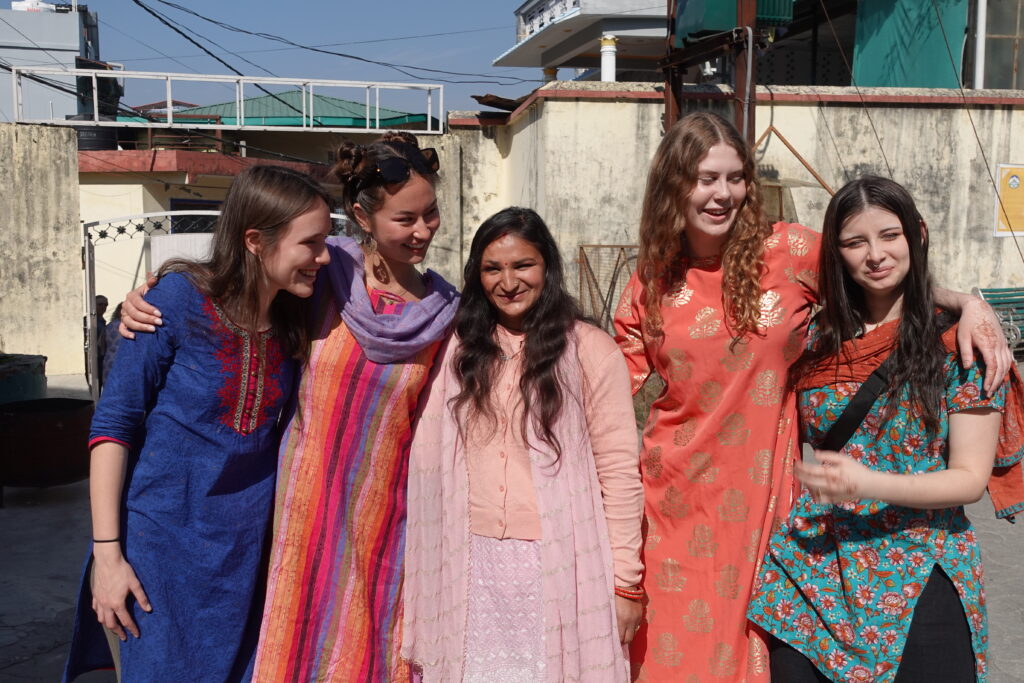
Meeting these kids, you honestly wouldn’t know that most of them were orphaned, abandoned, or abused. It was a striking experience to interact with people who have gone through things we couldn’t even imagine, and yet have the biggest smiles on their faces. Each child was simply happy to be there, happy to see us, and eager to take us by the hands and play, sing, dance, and talk together. I was surprised to see how much we all had in common.
We talked afterward about smiles and play being the universal language. We talked about how no matter how different the little things are, in the bigger picture, we are all so deeply human and painfully similar. We all formed close bonds immediately. We bonded over Ed Sheeran, table tennis, and Polaroid photos. What we didn’t already share, we introduced one another to. All expressions were of welcome and kindness and I felt my fear of meeting new people fading away. Throughout the day, I felt extremely humbled. Seeing the childrens capacity for pure joy and kindness even amidst hardship forced me to reflect on my life. I am deeply inspired by the children’s positivity, creativity, and zest for life. If these kids can be this happy no matter what has happened in their pasts, then I can shift my perspective and approach the challenges I face at home differently. They truly embodied the idea that happiness comes from within and we are the truly are the masters of our own suffering.
Think Pink (pads): Menstrual Activism

Today we went with Lama Tenzin to his Pink Pads facility. On the way, we had to get out of the bus and transfer to Lama Tenzin’s car because the bus is too big to climb the steep hill and manage the narrow curves up to the building. I thought it was very interesting how fast the lama would go through these winding roads, narrowly avoiding people, animals, and other objects. He was completely unbothered and remained so calm throughout his driving. It made a big impression on me.
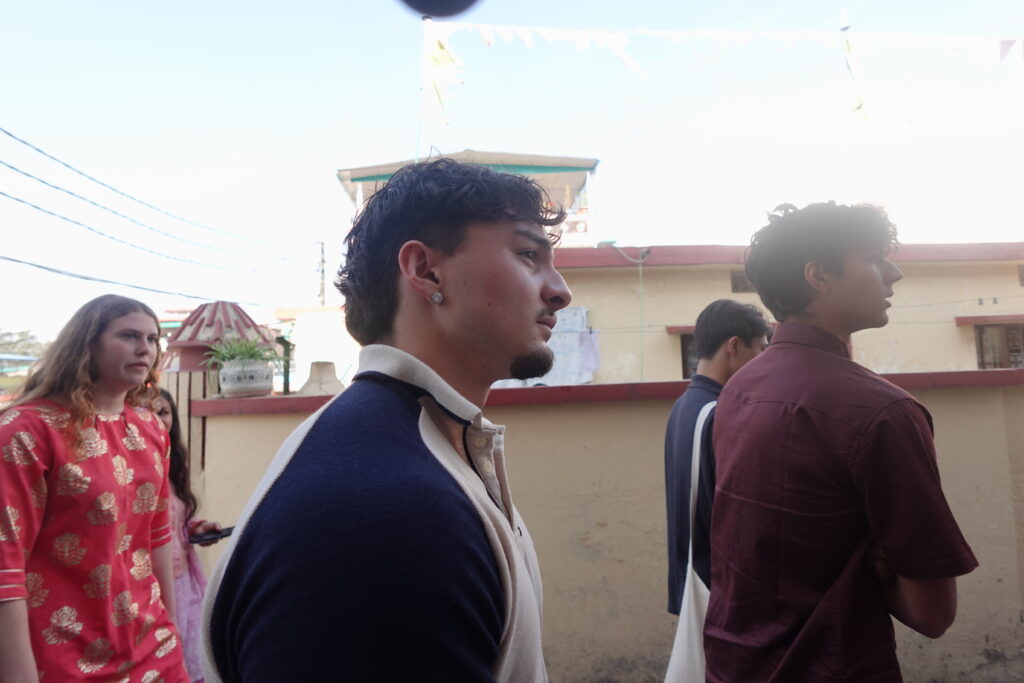
Enough about this ride. Pink Pads is an organization that makes compostable, high quality menstrual pads and gives them away in remote villages in the Himalayas. Because menstruation is considered dirty and there is a stigma among the local people, Pink Pads also digs holes so that when the women are done after use they throw the biodegradable pads in the pit to compost. We got the incredible opportunity to take a tour of the facility for Pink Pads and it was a moving experience. Seeing how much Lama Tenzin has achieved and how much he does to help was inspiring, and he is just beginning the work. In the facility, there are many floors and he showed us what was on each one.
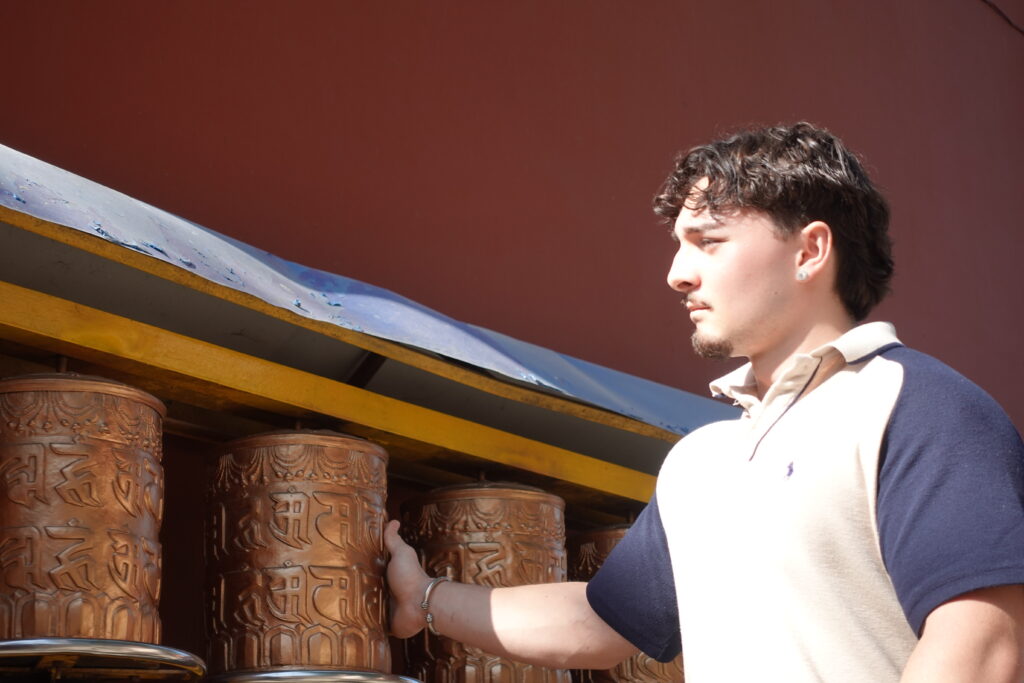
There are rooms for people to stay, study, and work; a manufacturing floor, offices, a sewing area, and even a helipad on the roof. What was really interesting is that he said that he would offer free lodging and food for anyone who stays there and also that he would give jobs to any woman who needs them. He plans to allow flexible schedules for his workers. When you get married in India, all the money usually goes to the husband. The women do not work because they are supposed to take care of things in the house. They can not work eight hours, which is what most companies require. I think Lama Tenzin’s understanding of the situation shows how good of a person he is and how much he really cares. He takes the time to understand peoples’ struggles, then looks for ways to help. I found the experience of meeting him and hearing about his work truly inspiring. I was amazed to be able to spend time with such an amazing person.


Monk of Compassion in Action
Recently, there was an opportunity to visit CED in India. The experience has remained difficult to fully put into words. Lama Tenzin was introduced as someone deeply involved in supporting underprivileged and often marginalzed children. His pace stood out immediately. He moved quickly between conversations, activities, and responsibilities. There was little pause. Attention shifted constantly from one person to another.
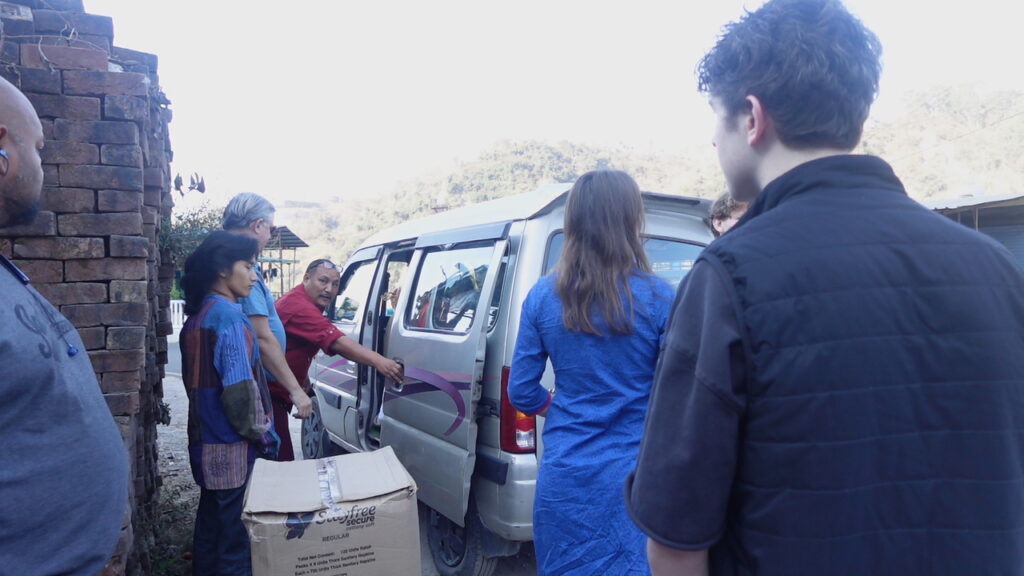
Lama Tenzin explained the circumstances of many of the children. Discrimination based on class and background has shaped much of their early lives. That reality felt heavy when it was described, yet the atmosphere itself did not feel heavy. We played light hearted games. Energy filled the space almost instantly. Athletic ability became obvious without much effort. Some of them were faster, more coordinated, and more competitive than expected. Laughter broke out frequently. At times it was loud and chaotic. At other moments it was quiet and shared between only a few. Encouragement came naturally, almost automatically.
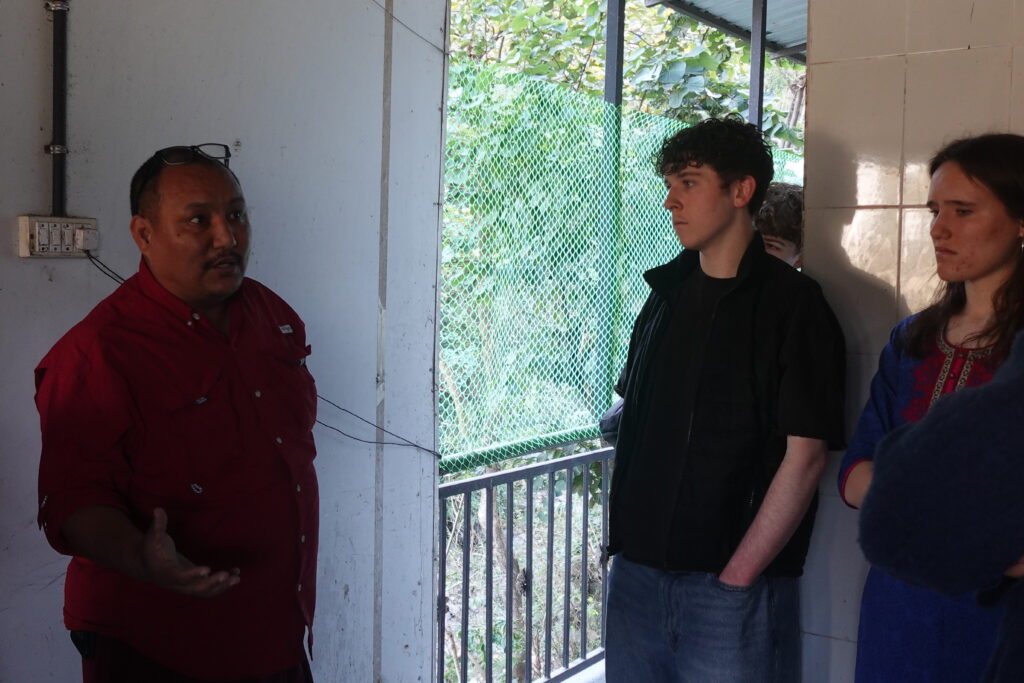
Their beginnings had been difficult, but what appeared in front of us was confidence and connection. Belonging was noticeable. It showed in small gestures and in the way they stood close together. It showed in how they waited for one another. There was teamwork, but also independence.
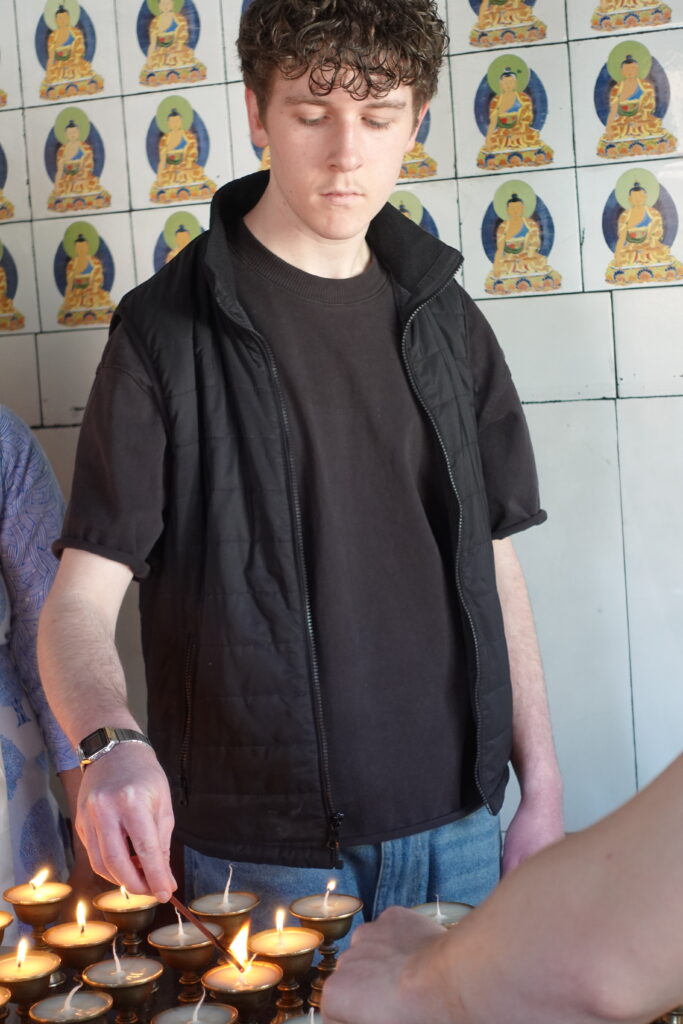
The contrast between their past hardships and their present environment was striking. Reflection did not happen all at once. It came later. Questions about community surfaced gradually in my mind as I contemplated the day. What does meaningful contribution actually look like? Is it large and visible, or something less obvious? Observing Lama Tenzin complicated those assumptions. His work is not dramatic. It is repetitive. It is constant. He listens. He responds. Then he moves on to the next person. Service, in this setting, did not appear abstract. It looked practical. It looked ordinary. It required attention.
Compassion, especially when viewed up close, tends to carry a different weight. The visit did not resolve anything neatly. Instead, it left thoughts about responsibility. Change may not arrive in a single moment. It may build slowly, almost unnoticed, shaped by steady commitment rather than sudden action.

Gratitude and Lifting Up Others

We started our third day in India with a visit to Pink Pads, Lama Tenzin’s start-up focused on mass production of affordable, compostable menstrual pads for marginalized communities. As he works to get the equipment fully up and running for production, he is also raising awareness in the surrounding area and creating employment opportunities for women of all backgrounds.
One group he is particularly focused-on is the women who live near the building and rely on their husbands’ earnings. By employing them, he is putting money directly into their own accounts, giving them financial independence and the ability to make their own choices.
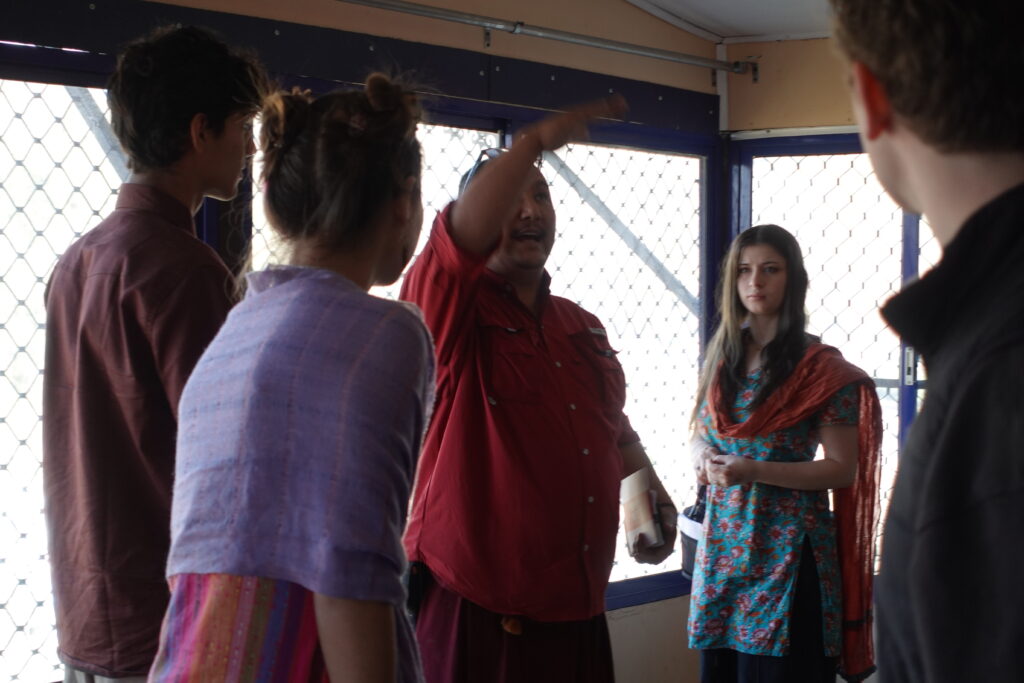
The care and consideration Lama Tenzin brings to his work are so evident and truly inspiring. From the CED Society to his numerous other projects, such as Sound of Soul, his dedication to uplifting others is remarkable. I feel incredibly fortunate to have met him and to see firsthand the impactful work he is doing. He’s also bought out a smaller plot of land diagonal to pink pads where he will build a connecting building for Sound of Soul, a music studio for underprivileged and disabled kids.
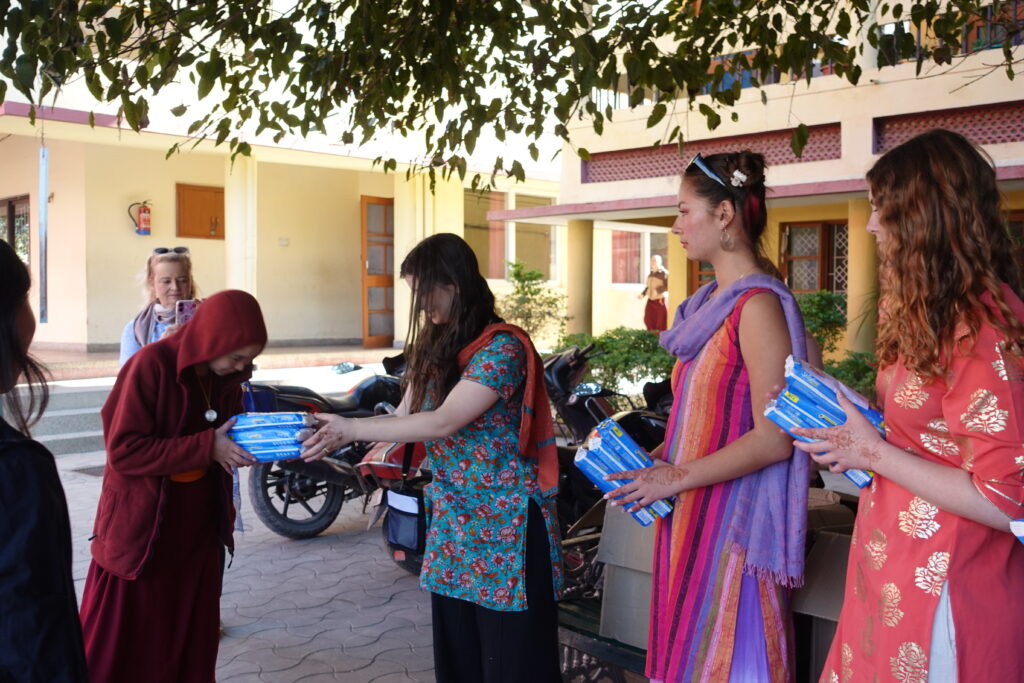
The first few days of this trip have been so amazing that I couldn’t even begin to express my feelings about them in words. Being able to travel the world has always been a passion of mine but it means so much more than that. I’m eternally grateful to my mom for working to give me the privilege of traveling like this.

CED Society Play
When we arrived at the CED Society, we began playing almost immediately. We started with games like rock-paper-scissors and Wild Wild West, and then some of us moved on to chess.
I played with two young children, and then I played with someone my age. I was surprised by how good they were because, if you know anything about chess, you know that learning it without access to a computer or a good teacher is difficult.
Then we all played basketball and ping-pong together. I taught a girl in a wheelchair some piano and played while she and Lucy sang. It is inspiring that, despite her difficult situation, she still laughs and acts with kindness. We then played musical chairs three times. I was impressed by how we just kept moving from one game to the next. Back home, when we play games, we usually stop after just one. I was also thankful to the CED Society for giving these kids opportunities they wouldn’t otherwise have.

I feel like if we brought more play into our lives in the US, everything would be a lot better. Currently, it seems that many kids in the US don’t play games very often. When I was the age of the children we played with, I never had full days of play. Instead, I mostly worked on activities like piano, and when I did play, I usually only touched one or two games at most. I never played longer than two hours. I was expected to learn, not play.
In the US, many families expect children to spend their time doing things that will help them in the long run and are seen as productive. At the CED Society specifically, I saw kids playing all day with us, which I have never seen in the US. More often, we are too busy with piano, school, and other skills, while playing is seen as less productive or even a waste of time because it doesn’t lead to income.
But play is valuable because, for kids, social interaction is a huge benefit. You are going to need social skills throughout your life, and they are extremely helpful in many situations. I feel that I missed out on a lot of social interaction in my younger years because my school wasn’t really focused on play, and there wasn’t much time to do fun activities. In the culture of my school in the US at the time, there were small social groups and clear social levels, with some people being more popular than others. Play is something that removes those social levels and makes everyone equal, with the same goal: to win.